Featured
Regulatory Changes That May Transform Debt Relief Availab...
A Biased View of Legal Aspects Regarding Bankruptcy Proce...
"Rebuild Credit Is Shameful" and More Myths Fundamentals ...

Getting Assistance Through APFSC Fundamentals Explained
Table of Contents
The agency will certainly pull a credit score report to recognize what you owe and the level of your hardship. If the mercy program is the best remedy, the therapist will certainly send you a contract that details the strategy, consisting of the amount of the regular monthly settlement.
As soon as everyone concurs, you start making monthly payments on a 36-month strategy. When it's over, the agreed-to amount is removed. There's no fine for repaying the balance early, yet no extensions are permitted. If you miss a settlement, the agreement is nullified, and you should exit the program. If you believe it's a good choice for you, call a counselor at a nonprofit credit counseling firm like InCharge Financial debt Solutions, who can address your questions and assist you establish if you qualify.
Due to the fact that the program permits debtors to settle for much less than what they owe, the lenders that get involved want peace of mind that those who make the most of it would certainly not be able to pay the complete amount. Your charge card accounts additionally should be from banks and credit card companies that have actually agreed to take part.
Equilibrium should be at the very least $1,000.Agreed-the equilibrium needs to be settled in 36 months. There are no extensions. If you miss out on a settlement that's simply one missed out on repayment the contract is ended. Your lender(s) will certainly cancel the plan and your balance returns to the initial quantity, minus what you've paid while in the program.
The 25-Second Trick For Methods Reputable Providers Uphold Professional Standards
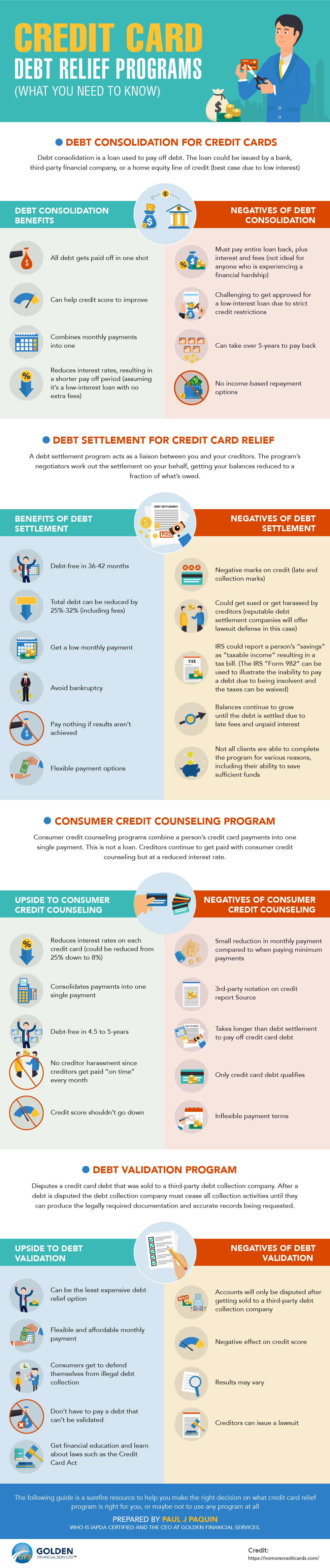
With the mercy program, the creditor can rather pick to maintain your financial obligation on guides and redeem 50%-60% of what they are owed. Nonprofit Bank Card Financial debt Forgiveness and for-profit debt negotiation are comparable because they both give a means to clear up credit score card financial obligation by paying less than what is owed.
Credit rating card forgiveness is created to set you back the customer much less, settle the debt quicker, and have less downsides than its for-profit equivalent. Some crucial areas of distinction in between Charge card Financial obligation Forgiveness and for-profit financial obligation negotiation are: Bank card Debt Forgiveness programs have relationships with creditors who have accepted take part.
Once they do, the benefit duration starts promptly. For-profit financial obligation negotiation programs discuss with each financial institution, normally over a 2-3-year period, while passion, charges and calls from debt enthusiasts proceed. This suggests a larger hit on your credit rating report and credit report, and an enhancing equilibrium up until negotiation is completed.
Credit Card Financial obligation Mercy customers make 36 equal monthly payments to eliminate their financial debt. For-profit financial obligation settlement clients pay right into an escrow account over a settlement duration toward a swelling amount that will be paid to creditors.
The Single Strategy To Use For What to Watch For While Evaluating a Debt Counseling Provider

Phone calls from financial obligation collection agencies continue and creditor-reported non-payments continue to harm the client's credit record. Enrollment in a Credit Scores Card Financial obligation Forgiveness stops phone calls and letters from debt collection and recovery agencies for the accounts consisted of in the program.
For-profit financial obligation settlement programs don't stop collection activities until the lump-sum settlement is made to the creditor. Nonprofit Bank Card Debt Forgiveness programs will inform you up front what the regular monthly charge is, topped at $75, or less, depending on what state you stay in. For-profit financial obligation settlement firms may not be clear regarding charge amounts, which frequently are a percent of the equilibrium.
8 Easy Facts About Comparing Debt Forgiveness Organizations to Find the Ideal Match Described
For-profit financial obligation settlement likely will hurt it a lot more, considering that you won't be paying lenders during the 2-3 year negotiation/escrow duration, yet they haven't accepted a plan or received any cash, so they're still reporting nonpayment. This is on top of the credit rating struck from not paying the total.
In the majority of cases, debt combination additionally comes with a reduced rates of interest than what you were paying on your charge card, making the month-to-month prices, along with general costs, much less. Debt card debt combination's most common kinds are financial obligation management strategies, financial debt consolidation financings, or a zero-interest transfer credit history card.
To obtain a debt combination financing or a zero-interest equilibrium transfer credit card, you require a credit report score of at least 680. Credit rating score isn't an aspect for financial debt monitoring program, however you require an adequate income to be able to make a month-to-month repayment that will certainly cover all of the accounts consisted of in the program.
Insolvency is the last resort for someone who has more debt than they can pay. It can be the step you take in order to stay clear of personal bankruptcy.
8 Easy Facts About Developing Your Journey to Freedom Described
Bankruptcy will remove all qualified unsafe financial obligation. Debt Card Financial debt Mercy will certainly have a negative effect on your credit scores rating given that full equilibriums on accounts were not paid.
Debt Card Financial obligation Mercy repayments begin as quickly as you're approved into the program. Insolvency approval and discharge can take 6-12 months. Collection activities and legal actions on Credit report Card Financial debt Mercy clients are quit once lenders agree to the plan. Declare bankruptcy activates an automatic keep on collection actions and lawsuits, and offers security from harassment by creditors, but if the court does not accept the insolvency, those will start up again.

Table of Contents
Latest Posts
Regulatory Changes That May Transform Debt Relief Availability Can Be Fun For Everyone

The Greatest Guide To How to Begin Now

A Biased View of Legal Aspects Regarding Bankruptcy Proceedings
More
Latest Posts
Regulatory Changes That May Transform Debt Relief Availability Can Be Fun For Everyone
The Greatest Guide To How to Begin Now
A Biased View of Legal Aspects Regarding Bankruptcy Proceedings