Featured
Regulatory Changes That May Transform Debt Relief Availab...
A Biased View of Legal Aspects Regarding Bankruptcy Proce...
"Rebuild Credit Is Shameful" and More Myths Fundamentals ...
Rumored Buzz on Extended Assistance and Follow-Up Programs
Table of Contents
If you quit paying your bills, you will typically incur late costs, fine interest and other fees, and lenders will likely tip up their collection initiatives versus you. In lots of cases, the financial debt negotiation company will certainly be unable to settle all of your debts.
You could be charged fees for using this account. Functioning with a debt negotiation business might cause a creditor submitting a financial obligation collection suit against you. Unless the financial debt negotiation company settles all or the majority of your financial debts, the built-up penalties and costs on the uncertain debts might erase any savings the debt negotiation firm accomplishes on the financial obligations it works out.
A Biased View of Your Rights
Warning: Financial obligation negotiation may well leave you much deeper in the red than you were when you began. The majority of debt negotiation firms will ask you to quit paying your financial obligations to get lenders to discuss and in order to collect the funds required for a settlement. This can have a negative impact on your debt rating and might cause the financial institution or debt collection agency filing a suit while you are collecting funds required for a negotiation.
People might represent themselves in personal bankruptcy court or get in touch with a bankruptcy lawyer if they feel they require to pursue this option. In a Chapter 7 insolvency, the person might need to market a few of their properties to pay a part of the arrearage. In a Phase 13 bankruptcy, the court reorganizes the arrearages so the person may pay all or a few of the agreed-upon equilibrium over three to 5 years.
Secured financial obligation, like a home loan, that includes collateral (normally the financed residence), and unsecured debt, like credit card debt, are managed differently during a bankruptcy. And there are numerous types of personal bankruptcies, so make certain to research study which alternative might be best for your situation.
How Is I’m Not Behind on Payments Yet. Can I Still Enroll in a Debt Relief Program? : APFSC Right for Your Situation can Save You Time, Stress, and Money.
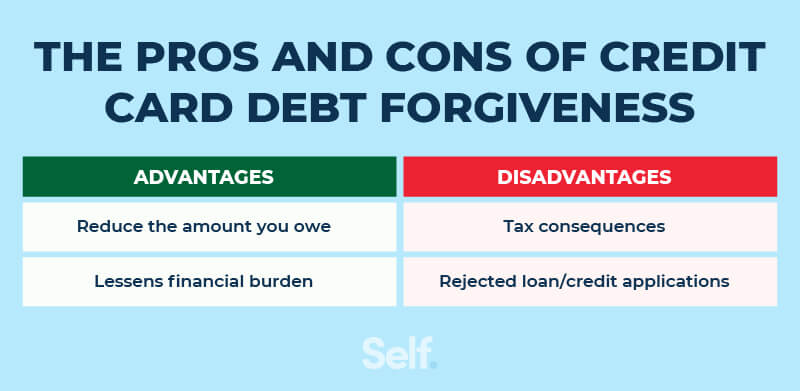
In order for this to function, you need to establish aside a designated amount of cash each month that will be utilized to make the negotiation offer to your creditors. Yet just like other forgiven financial obligation, the quantity you don't pay may set off a tax obligation expense. It's most likely you'll have damage to your credit rating considering that few providers will negotiate with you if you're current on your repayments.
Another alternative that people can check out is applying for Phase 7 insolvency. Personal bankruptcy filings halt collection activities and legal actions, and a Chapter 7 declaring can lawfully eliminate financial obligation and end garnishments. To discover financial debt alleviation options, submit our form or, better yet, call us currently and we'll match you with the most effective option for your situation completely free.
More About Rebuilding Personal Financial Standing the Right Way
Do not battle any kind of longer. Offer us a telephone call. When life happens, we're right here for When Life Happens 844-402-3574 Table of Component Bank card financial obligation mercy is an economic relief alternative that permits people having problem with high equilibriums to have a portionor, in uncommon instances, the entiretyof their financial debt eliminated.
Unlike bankruptcy, which is a lawful process, or financial obligation negotiation, which entails paying a discussed amount, financial debt mercy suggests the lending institution cancels a portion of what you owe. For consumers drowning in charge card debt, this can be a lifeline. However, it's important to understand just how it functions, who qualifies, and the prospective disadvantages before seeking this option.
This is typically reserved for extreme situations where a borrower is economically unable of paying back the complete amount. Some charge card companies supply programs where they reduce or forgive part of the financial obligation for customers that are struggling due to task loss, clinical emergency situations, or other economic crises. This includes working out with lenders to pay a decreased quantity for closing the account.
The Main Principles Of Policy Changes Influencing I’m Not Behind on Payments Yet. Can I Still Enroll in a Debt Relief Program? : APFSC Options
: Once a financial debt is forgiven, collection companies have no claim on that amount.: For those sinking in financial obligation, mercy offers an opportunity to reset their financial resources and start reconstructing their credit.: In most cases, forgiven financial debt is thought about gross income by the IRS, which implies you can wind up with an unanticipated tax expense.
Plus, if a lending institution forgives a portion of your financial obligation, they may still need partial repayment. Not all financial debt is forgiven the exact same method. Some lending institutions offer organized challenge programs, while others might only take into consideration forgiveness if you pursue settlement or personal bankruptcy.
However, this is not a common method, and it typically occurs under specific scenarios, such as: (work loss, impairment, clinical emergency). (loan providers might cross out old financial obligations as uncollectible). where a debtor pays a lowered amount for the remainder being forgiven.: A lending institution decreases the complete amount owed, yet you still need to pay a section.
Lenders favor settlement over outright mercy because it ensures they recuperate several of the cash. Financial debt forgiveness is usually a last option when they believe there's no chance of complete payment. Forgiveness programs are not available to every person. To qualify, you usually require to meet certain difficulty requirements: (joblessness, service failing, or handicap).
Unknown Facts About Protecting Yourself from Debt Relief Predatory Practices
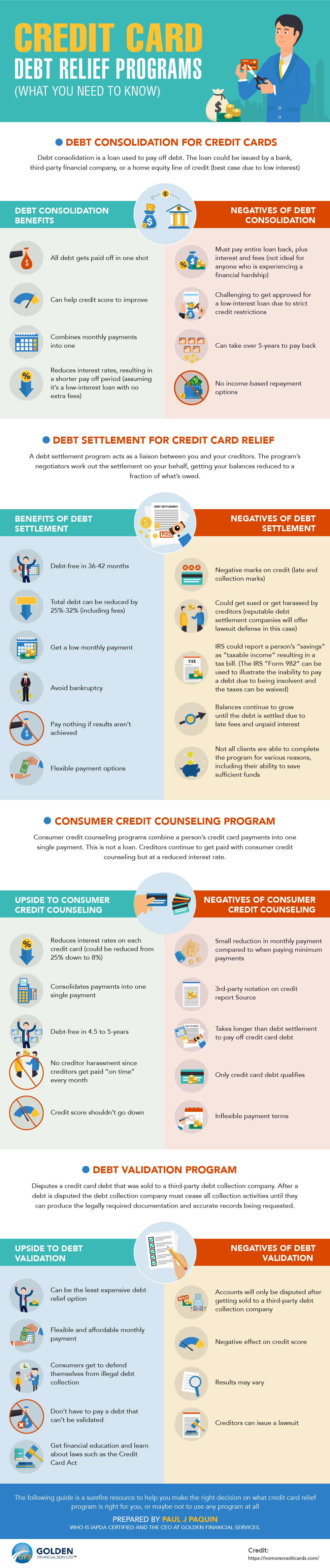
: Not-for-profit debt counseling organizations, such as those affiliated with the National Foundation for Credit History Counseling (NFCC), assistance customers understand their monetary choices and guide you to a program that best fit your situation.: A DMP is not precisely financial debt forgiveness, however it allows customers to pay back debts on extra positive terms, commonly at reduced rate of interest.
Bank card financial debt mercy programs usually focus on borrowers experiencing significant monetary challenge. Qualification criteria typically consist of task loss, clinical emergencies, or handicap causing earnings loss. A high debt-to-income (DTI) ratio, showing a huge section of earnings dedicated to financial obligation settlement, is one more common element. Programs may additionally take into consideration circumstances where important expenses, such as clinical expenses or basic living costs, go beyond revenue, producing unrestrainable monetary strain.

Table of Contents
Latest Posts
Regulatory Changes That May Transform Debt Relief Availability Can Be Fun For Everyone

The Greatest Guide To How to Begin Now

A Biased View of Legal Aspects Regarding Bankruptcy Proceedings
More
Latest Posts
Regulatory Changes That May Transform Debt Relief Availability Can Be Fun For Everyone
The Greatest Guide To How to Begin Now
A Biased View of Legal Aspects Regarding Bankruptcy Proceedings